

Understanding Semen Analysis
A Complete Guide to Male Fertility Testing, Sperm Count, Motility & Semen Health
Male fertility starts with understanding sperm health — and a semen analysis is the first step toward identifying hidden fertility challenges early.
Infertility is becoming an increasingly discussed topic in reproductive health, and male infertility testing plays a major role in evaluating a couple’s ability to conceive naturally. One of the most important diagnostic tests in male fertility evaluation is the Semen Analysis (Seminogram).
A semen analysis is one of the first and most essential tests performed when evaluating male infertility, low sperm count, or subfertility. It examines multiple characteristics of semen and sperm to help identify potential causes affecting fertility and reproductive health.
A semen analysis does not simply determine fertility or infertility — it provides detailed insight into sperm health, sperm quality, motility, morphology, and overall reproductive function.
WHAT IS SEMEN ANALYSIS
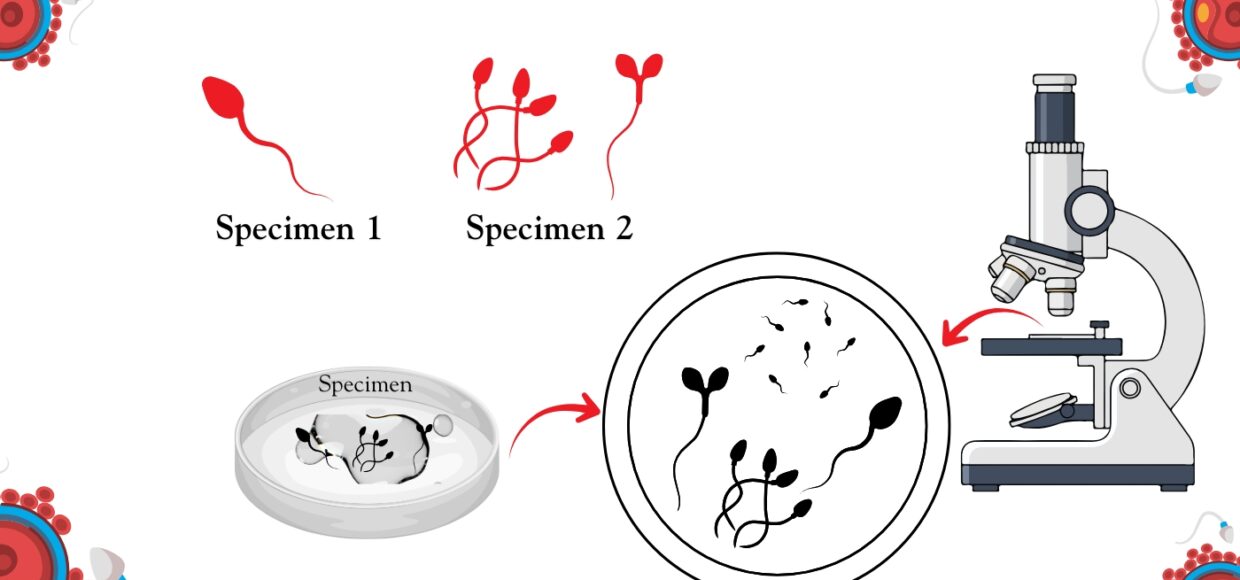
The semen sample must be examined in order to determine if there are factors present which could reduce the chances for a sperm to fertilize an egg. This examination is known as a semen analysis.
Semen analysis assesses the quality and volume of sperm. The test involves evaluating a semen sample in a laboratory to measure different parameters associated with male reproductive health, sperm function, and fertility potential.
This laboratory test is commonly recommended for:
- Male infertility evaluation
- Couples facing difficulty conceiving
- Low sperm count assessment
- Fertility treatment planning
- Post-vasectomy confirmation
- Hormonal or reproductive health investigations
KEY PARAMETERS MEASURED
1. Volume – ≥ 1.4 mL (Normal)
The total amount of semen ejaculated. Low volume may suggest blockage or hormonal issues.
Low semen volume can sometimes indicate:
- Ejaculatory duct obstruction
- Hormonal imbalance
- Dehydration
- Retrograde ejaculation
Maintaining healthy semen volume is important for proper sperm transport and fertility.
2. Sperm Count – ≥ 39 million per ejaculate
Total number of sperm present. Low count (Oligospermia) reduces the chance of fertilization.
A healthy sperm count is considered one of the major indicators of male fertility potential. Reduced sperm concentration may affect the ability of sperm to reach and fertilize the egg naturally.
3. Motility – ≥ 42% Total Motility
- Percentage of sperm that are moving. Sperm must swim to reach and fertilize the egg.
- Poor sperm motility can reduce natural conception chances because sperm movement is essential for successful fertilization.
4. Morphology – ≥ 4% Normal Forms
Shape and structure of sperm. Abnormal morphology (Teratospermia) can hinder egg penetration.
Sperm morphology evaluates whether sperm have:
- Normal head shape
- Proper midpiece structure
- Functional tail movement
Abnormal sperm shape may affect fertilization capability.
5. pH Level – 7.2 to 8.0
- Acidity of semen. Too acidic or too alkaline can impair sperm function and survival.
- Normal semen pH helps maintain a healthy environment for sperm survival and motility.
6. Liquefaction – Within 60 Minutes
- Semen initially clots after ejaculation and should liquefy within an hour for normal sperm movement.
- Delayed liquefaction may interfere with sperm mobility and fertility performance.
HOW TO READ YOUR RESULTS
Results are reported against WHO reference ranges. A result below the threshold doesn’t necessarily mean infertility — it simply highlights an area worth discussing with your doctor.
Below is a sample result interpretation:
| PARAMETER | WHO REFERENCE | SAMPLE RESULT | STATUS |
|---|---|---|---|
| Volume | ≥ 1.4 mL | 2.5 mL | Normal |
| Sperm Concentration | ≥ 16 million/mL | 10 million/mL | Low |
| Total Motility | ≥ 42% | 45% | Normal |
| Progressive Motility | ≥ 30% | 32% | Normal |
| Morphology | ≥ 4% | 2% | Below range |
| pH | 7.2 – 8.0 | 7.6 | Normal |
A single abnormal result is rarely definitive. Sperm parameters naturally fluctuate. Most fertility specialists recommend repeating the test after 2–3 months before drawing firm conclusions.
Even abnormal semen analysis results can improve over time with lifestyle modification, medical treatment, nutritional support, and fertility-focused interventions.
HOW IS THE TEST DONE
1. Abstain from ejaculation for 2–5 days before the test
This helps ensure an adequate sample without over accumulation.
2. Collect the sample by masturbation
Ideally into a sterile cup provided by the clinic. In-clinic collection is preferred for freshness.
3. Deliver the sample to the lab within 30–60 minutes
If collected at home, temperature must be maintained close to body temperature.
4. Wait for results
Results are typically available within 1–3 days.
5. Discuss results with a specialist
Consult a urologist, andrologist, or reproductive specialist for proper interpretation and next steps.
WHAT CAN AFFECT SEMEN QUALITY
Sperm parameters are highly sensitive to lifestyle and health factors. Common influences include:
1. Heat Exposure
Saunas, hot tubs, and tight clothing can elevate scrotal temperature and temporarily reduce sperm production.
2. Alcohol & Smoking
Both are associated with:
- Reduced sperm motility
- Abnormal morphology
- Lower testosterone levels
3. Medications
Certain drugs including anabolic steroids, chemotherapy agents, and some antibiotics can significantly impair sperm production.
4. Stress
Chronic stress elevates cortisol, which can suppress testosterone and reduce sperm count over time.
Additional factors that may influence sperm quality include:
- Poor diet
- Obesity
- Lack of sleep
- Sedentary lifestyle
- Environmental toxins
- Nutritional deficiencies
WHAT HAPPENS IF RESULTS ARE ABNORMAL
An abnormal result is not the end of the road. Several conditions are treatable, and reproductive medicine offers a range of assisted fertility options.
1. Lifestyle Changes
Diet, exercise, reducing heat exposure, stopping smoking, and limiting alcohol can improve sperm parameters within approximately 3 months (the sperm production cycle).
2. Hormonal Therapy
When low testosterone or hormonal imbalances are identified, targeted treatment can restore sperm production.
3. IUI (Intrauterine Insemination)
Used for mild motility issues; washed sperm are placed directly into the uterus.
4. IVF / ICSI
Intracytoplasmic Sperm Injection (ICSI) can achieve fertilization even with very few healthy sperm, making it a powerful option for severe male factor infertility.
FINAL THOUGHTS
A semen analysis is one of the most valuable tools in understanding male reproductive health, sperm quality, and fertility potential.
While abnormal results may feel concerning, many causes of poor semen quality are manageable and treatable. Early fertility evaluation, proper diagnosis, lifestyle correction, and medical support can significantly improve outcomes for couples trying to conceive.
Understanding your semen analysis report is the first step toward informed fertility care and better reproductive health.






1 comment on “Understanding Semen Analysis”
Sushanth Sharma
Excellent breakdown of sperm count, motility, and morphology. This blog makes complex medical information easy to understand.