

Understanding Fertility: Breaking Myths Around Male & Female Infertility
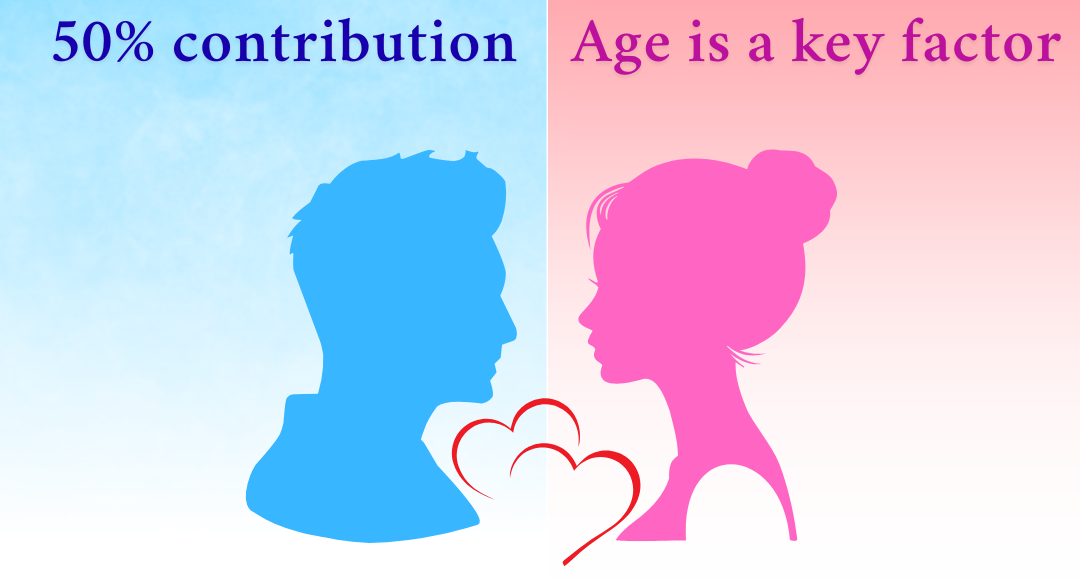
Infertility affects both men and women equally, with male factors contributing to nearly 40–50% of cases.
What is Fertility?
Fertility is the natural ability of a person to conceive and produce offspring. In couples, fertility depends on the combined reproductive health of both partners—male and female.
Why is Fertility Important?
Fertility is not only about reproduction—it reflects overall health and well-being.
In today’s fast-paced world, fertility is influenced by lifestyle choices and daily habits.
Factors such as:
- Diet
- Sleep patterns
- Stress levels
- Digital habits
These factors directly affect hormone balance, egg quality, and sperm quality.
Understanding these influences helps both men and women take proactive steps to improve reproductive health and increase the chances of conception.
When Should Couples Worry About Infertility?
A couple is considered infertile if they are unable to conceive after 12 months of regular unprotected intercourse.

What Are the Signs of Infertility?
- In Women: Irregular menstrual cycles
- In Men: Erectile or ejaculation issues
In Both: Underlying medical conditions
Is Infertility Only a Woman’s Problem?
One of the biggest myths is that infertility is mainly due to women
- No. Infertility is not just a woman’s issue.
- Male factors contribute to 40–50% of infertility cases.
This highlights an important shift in mindset:
- Infertility is a couple’s condition, not an individual’s fault
- Both partners should be evaluated early
What is Male Infertility?
Male infertility occurs when there is a problem with sperm production, function, or delivery.
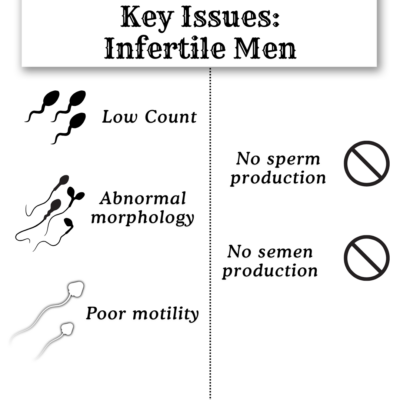
Key Issues in Male Infertility:
- Low sperm count (Oligospermia)
- Poor motility (Asthenozoospermia)
- Abnormal morphology (Teratozoospermia)
- No sperm production (Azoospermia)
These conditions reduce the sperm’s ability to reach and fertilize the egg.
What Causes Male Infertility?
Medical Causes:
- Hormonal imbalance (low testosterone)
- Varicocele (enlarged veins in testis)
- Infections
- Genetic abnormalities
Lifestyle Causes:
- Smoking and alcohol
- Obesity
- Stress
- Poor diet (low antioxidants, zinc)
- Heat exposure (tight clothing, laptops)
Lifestyle choices play a major role in sperm health and fertility outcomes.
Conclusion: A Shared Responsibility
Infertility is a shared journey, not a solo burden. By shifting the focus from “blame” to “biology”, couples can:
- Seek early diagnosis
- Take informed medical decisions
- Improve outcomes through lifestyle changes
Key Takeaways:
- Awareness
- Early diagnosis
- Equal evaluation of both partners
With timely intervention and proper support, many couples can successfully overcome fertility challenges.