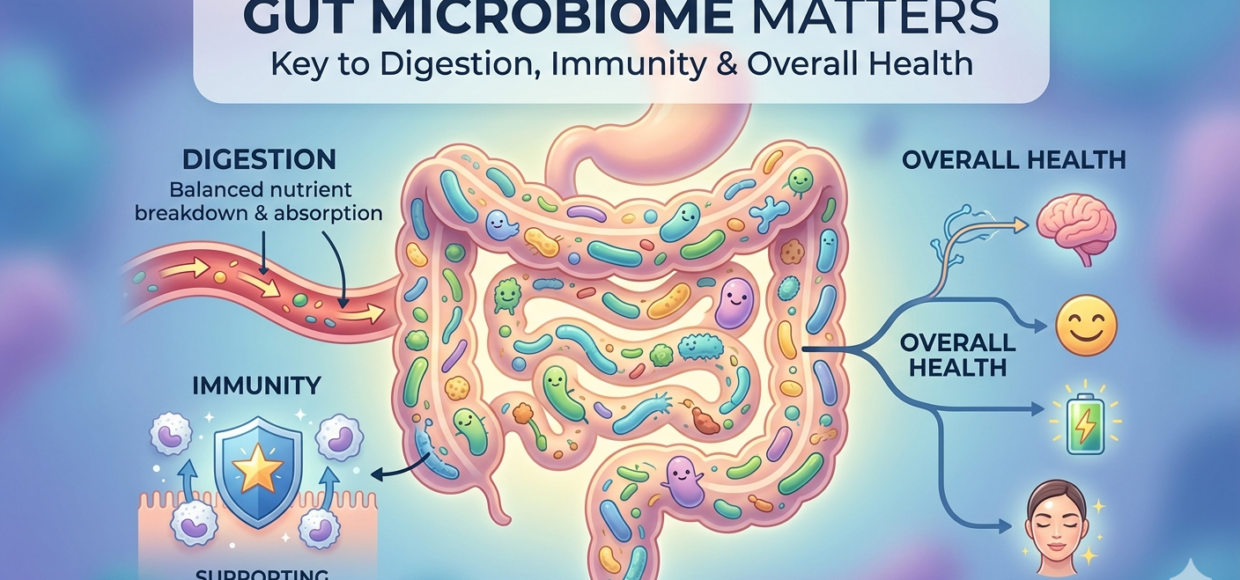
Why Gut Microbiome Matters: The Hidden Key to Digestion, Immunity & Overall Health
Introduction
Many patients today continue to struggle with poor digestion, low immunity, fatigue, and incomplete recovery—even when they follow a proper diet or take supplements regularly.
This raises an important question:
Is the problem really what we consume, or how our body processes it?
The answer often lies in gut health and the gut microbiome—a powerful yet often overlooked system that plays a central role in overall health.
“A healthy gut microbiome is not just about digestion—it is the foundation of how the body absorbs nutrients, fights disease, and maintains balance.”
What is Gut Health and Gut Microbiome?
The term gut health refers to the proper functioning of the gastrointestinal system, which includes the stomach, intestines, and colon. This system is responsible for digesting food, absorbing nutrients, and eliminating waste.
Within this system exists a highly complex ecosystem known as the gut microbiome. It consists of trillions of microorganisms, including bacteria, viruses, and fungi—most of which reside in the large intestine.
Not all microorganisms are harmful. In fact, many are essential for maintaining health. A balanced and diverse gut microbiome is considered a key indicator of good digestive and metabolic health.
“The diversity of gut bacteria is one of the strongest indicators of a healthy microbiome.”
Why is Gut Microbiome Important?
The importance of gut microbiome has become a major focus in modern medical research. Studies suggest that it influences nearly every system in the human body.
- Supports Digestion and Nutrient Absorption
The gut microbiome helps break down complex foods—especially dietary fibre—into nutrients that the body can absorb and utilize efficiently.
2. Strengthens the Immune System
A significant portion of the immune system is located in the gut. A healthy gut microbiome helps defend against harmful pathogens and reduces inflammation.
3. Influences Mental Health and Brain Function
The gut and brain are connected through the gut-brain axis. Certain gut bacteria contribute to the production of neurotransmitters like serotonin, which affect mood, stress levels, and mental well-being.
“The gut is often referred to as the ‘second brain’ due to its strong connection with mental health and emotional balance.”
4. Regulates Metabolism and Blood Sugar
Gut bacteria play a role in how the body stores fat, regulates blood sugar, and manages energy balance.
5. Impacts Overall Health and Disease Risk
An imbalance in the gut microbiome has been linked to several chronic conditions such as
- Irritable Bowel Syndrome
- Ulcerative Colitis
- Type 2 Diabetes
What Happens When Gut Health is Disturbed?
When the balance of good and harmful bacteria in the gut is disrupted—a condition known as gut dysbiosis—it can significantly affect overall health.
Common signs of poor gut health include:
- Bloating, gas, constipation, or diarrhoea
- Poor nutrient absorption
- Frequent infections due to low immunity
- Fatigue and sleep disturbances
- Mood changes such as anxiety or stress
“Many patients fail to achieve desired treatment outcomes not due to lack of therapy—but due to poor gut function and absorption.”
Gut imbalance doesn’t just affect digestion—it can influence how the body responds to medications, nutrition, and even lifestyle changes.
Factors That Affect Gut Microbiome
The gut microbiome environment is highly dynamic and influenced by multiple factors:
- Diet (especially processed foods and low fibre intake)
- Chronic stress
- Poor sleep quality
- Sedentary lifestyle
- Frequent use of antibiotics
- Alcohol consumption and smoking
In addition, factors such as age, genetics, and early-life nutrition also play a role in shaping the microbiome.
“What we eat and how we live directly shape the health and diversity of our gut microbiome.”
Gut Health: More Than Just Digestion
One of the biggest misconceptions is that gut health is only related to digestion. In reality, it has a much broader impact.
A healthy gut microbiome contributes to:
- Strong immune defense
- Balanced mental health
- Efficient metabolism
- Reduced inflammation
- Better response to nutrition and treatment
“Gut health is not a single function—it is a central control system influencing the entire body.”
Conclusion
The growing body of research clearly highlights that the gut microbiome plays a critical role in overall health.
From digestion and immunity to mental well-being and metabolic function, the gut influences multiple systems that determine long-term health outcomes.
As awareness increases, one thing becomes evident:
“Supporting gut health is not just a lifestyle choice—it is a fundamental requirement for better health and effective treatment outcomes.”
Reference: